The Horizon Foundation

2015-11-23T11:34:50+01:00November 23rd, 2015|

We are delighted to announce a new partnership between UWC Red Cross Nordic and The Horizon Foundation.

The Horizon Foundation’s mission is:

To improve the lives of children, families and communities in developing countries around the world, by offering education and care programmes. The Horizon Foundation was set up by Patrick and Kirkland Smulders in 2006 to help improve the lives of young people and their communities in various countries in the Middle East and Asia through education. It was born of a joint desire to give back through empowering young people and women to act as change agents in their local communities and to focus in particular on societies that we felt would benefit from strong leadership.’

The Horizon Foundation currently has UWC partnerships with UWC Atlantic College, UWC Maastricht and UWC-USA. It seeks to support students ‘from disadvantaged communities in developing countries, who would not otherwise have the means to study further, or to study abroad. They must be academically strong enough to be awarded the scholarship on their own merits and they must have the expressed desire to return to their home communities to improve them. They should also have experience of helping others, either through voluntary, community or political work, or have completed internships. Its target regions are the Middle East and Asia, with the majority of our scholars coming from refugee populations.’

To date, the The Horizon Foundation has educated in excess of 100 scholars from Tibet, Palestine, China, Vietnam, Cambodia, Thailand, Lebanon, Syria, Iran, Pakistan, Iraq, the Philippines and Afghanistan. Through its Haven programme, The Horizon Foundation has also supported education programmes in Bethlehem, Palestine; Ulanbataar, Mongolia; Kolkata, India; and Dharamsala, for the Tibetan community in exile.

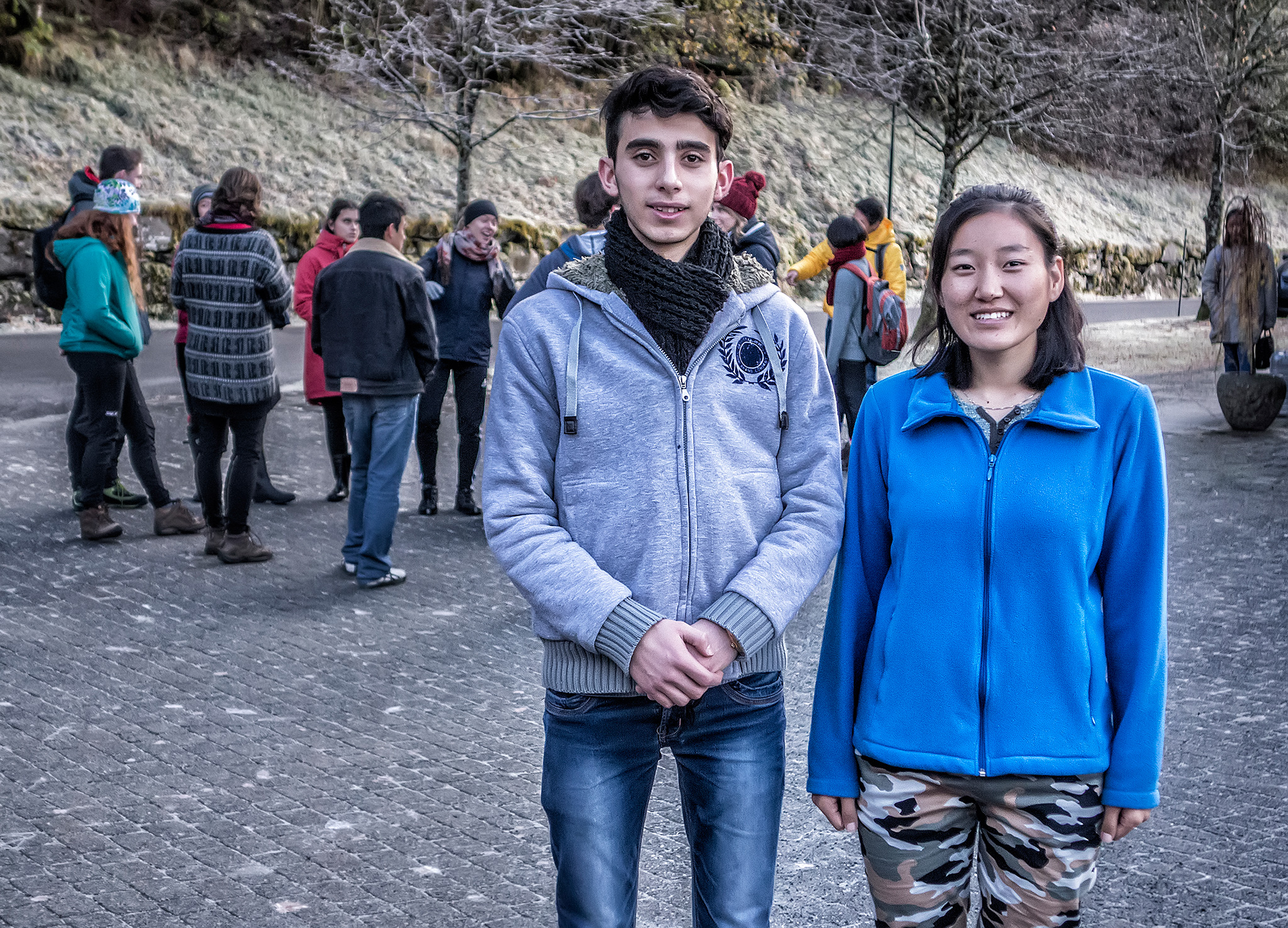
Following discussions with UWC RCN’s Admissions Department, The Horizon Foundation has supported the selection and offered to sponsor Yangzom Dolma (Tibetan student currently living in India) and Yehya Al Haj (Palestinian student currently living in Lebanon). Yangzom and Yehya will join other UWC first and second year students who are supported by The Horizon Foundation.

For more information, please click here.
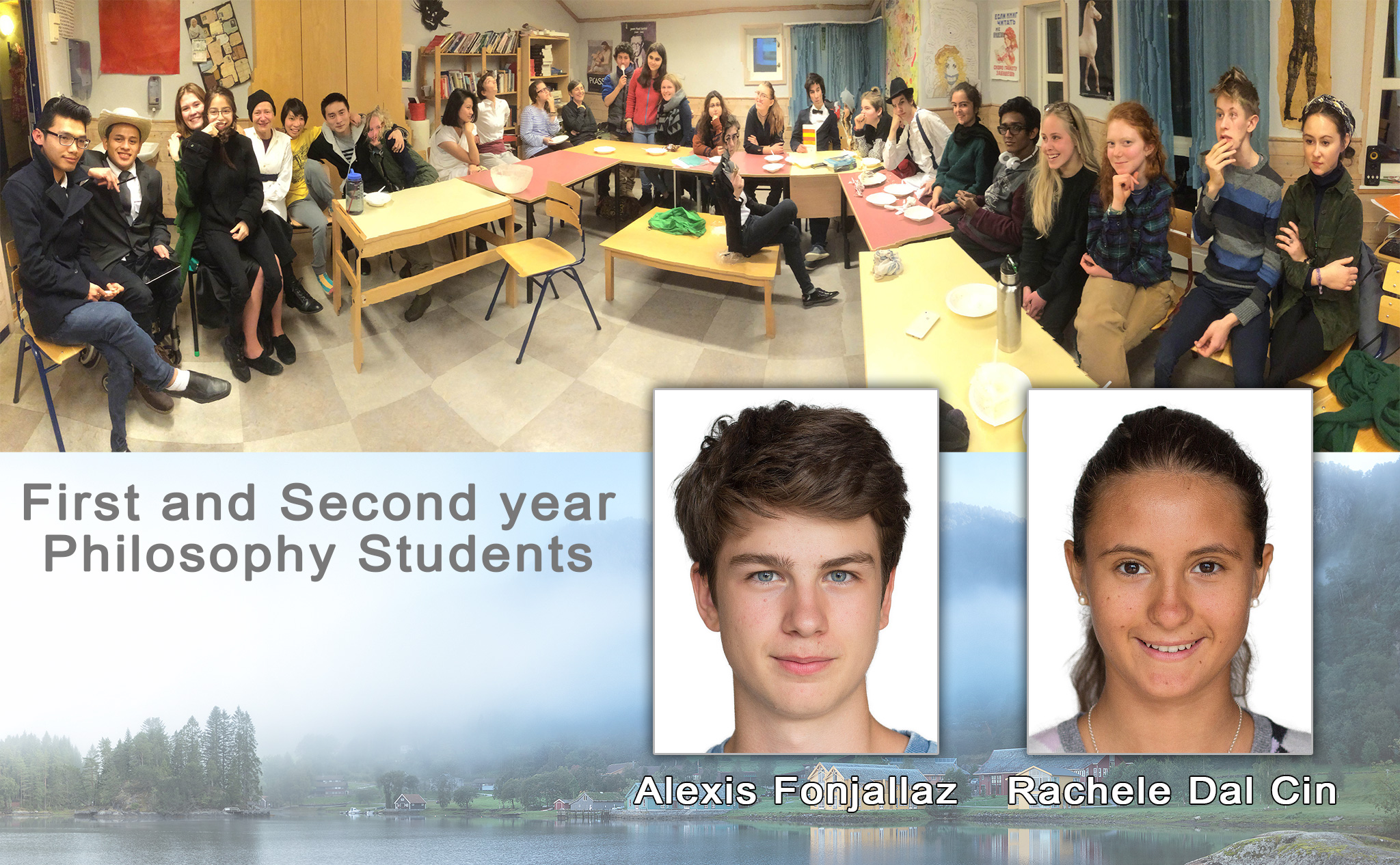
Philosophy Essay Prizes

2015-11-20T12:48:56+01:00November 20th, 2015|

Following on from the success of 2014 when Elisabeth Dietz (Norway) and Izman Suhail (Maldives) were awarded two of the three gold medals of the Baltic Sea Philosophical Essay Event, this year Alexis Fonjallaz (Sweden) and Rachele Dal Cin (Italy) were placed in the top five students for their essay submissions and were awarded silver medals – a magnificent achievement. The competition is held each year by Baltic countries on the UNESCO World Philosophy Day – students from circa 15 countries participate in this essay competition with 150 essays submitted. The results were announced this afternoon in Helsinki. A fine end to a superb day of events to mark UNESCO Philosophy Day.

Reflections from a visitor

2018-10-16T09:32:55+01:00November 19th, 2015|

This weekend sees the last of the autumn university visits – with Professor Doreen Stabinsky, from the College of the Atlantic, visiting to meet prospective students and to deliver a presentation on global environmental politics (she is currently in Sweden, serving as the first-ever Zennström Visiting Professor in Climate Change Leadership at Uppsala University). The University Office has posted a new record of university visitors (both in person and via webinars) for the autumn season – 40 representatives from Europe, Canada and USA

Last weekend Mark, our Senior University Counsellor, hosted Marielle Van Der Meer (The Netherlands – and Minerva Schools’ Managing Director for Europe). Please find below some reflections by Marielle on her visit to RCN for the first time:

‘A few days ago I had the privilege to finally visit UWC Red Cross Nordic in Norway – one of the most remote UWCs – a cluster of colourful wooden houses set on the shores of a secluded fjord, with a backdrop of mountains, forests and waterfalls. It had taken me 14 hours and a tram, a train, a bus, two planes, another bus, a boat and yet another bus to get here.

It was somehow meaningful at a personal level that whilst news reached me of cruel, shocking and pointless acts of violence in Beirut and Paris with many innocent people losing their lives, I was finding myself in this beautiful bubble of united cultures, ideals, beliefs and ideas. 200 kids from 95 nationalities living together, sharing moments of joy, anxiety, sadness; intent to solve misunderstandings, to find similarities rather than disparities and to be advocates and examples of a world where humanity and respect prevail over personal, cultural, religious and ideological differences…

…I’d like to believe that even though rockets are exploding, guns are being fired, hatred is fuelled, lives are lost, and 1000s of displaced human beings are traversing this continent looking for sanctuary and kindness, there still is infinitely more beauty and goodness in the world than there is tragedy and sadness – and that it is the promise, the power, and the responsibility of education to create space for dialogue and understanding, to build bridges, to give voices, and to enable solutions to conflict.’

A timely reminder from Marielle as to the core purpose behind our UWC educational model and mission to make education a force to unite people, nations and cultures for peace and a sustainable future.

SANMUN 2015

2018-10-16T09:32:56+01:00November 19th, 2015|

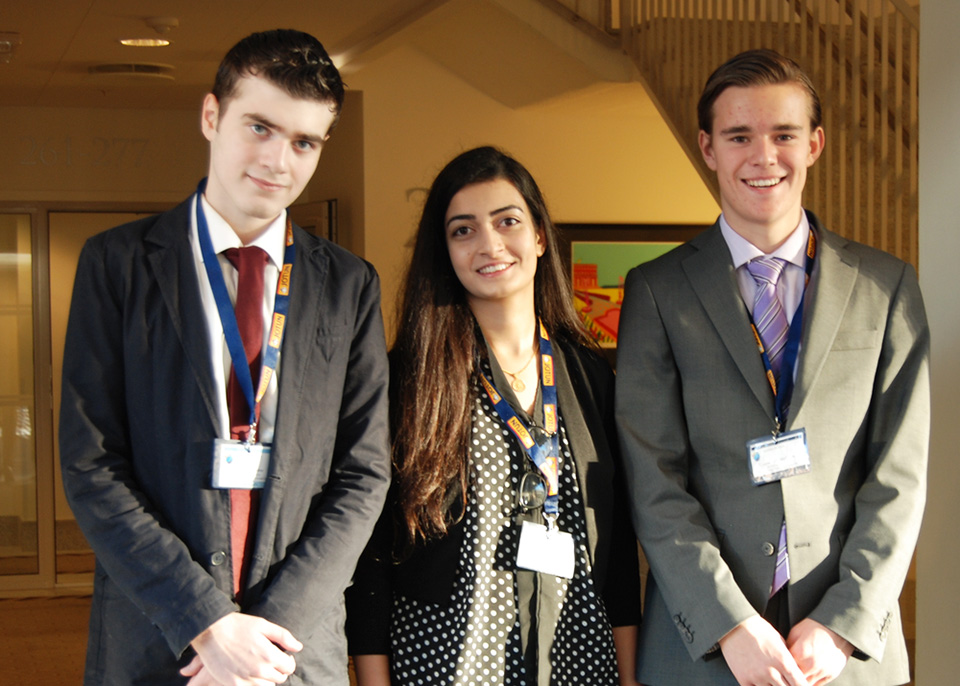
On the weekend of 7th– 8th November, a delegation of students attended the SANMUN (Sandefjord and Nesbru Model United nations) Conference in Sandefjord. The students were Nimra Nadeen (Pakistan), Abdul Abo Shokur (Sweden) and Fredrik Lura (Norway). Here Fredrik offers his reflections:

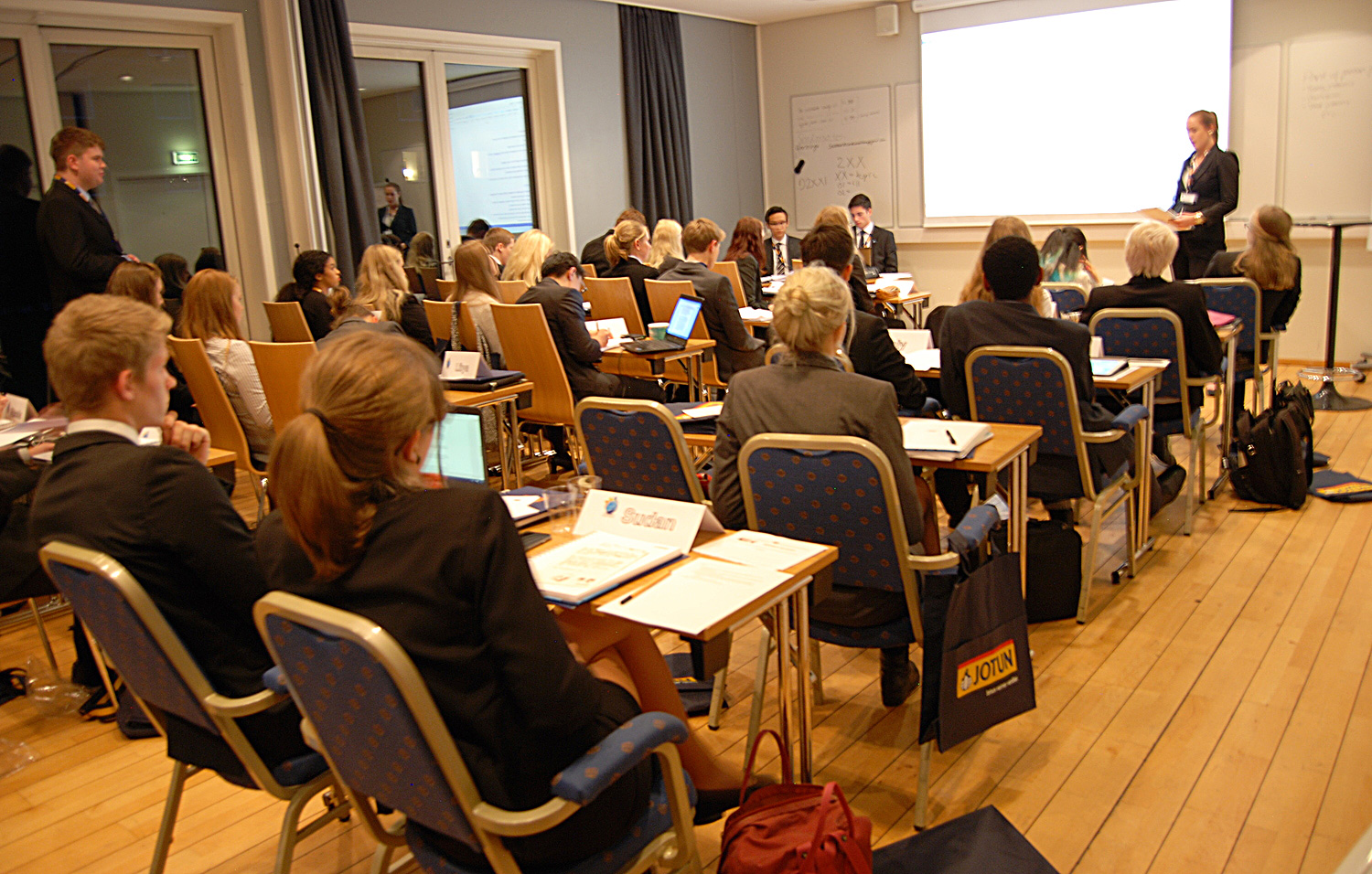
Committees at  SANMUN

Committees at SANMUN

The 12th annual SANMUN conference was held 7-8th of November and, as in previous years UWC sent a delegation. The three of us were representing the Syrian Arab Republic. There were four committees, and Syria was present and represented on three of them: Disarmament and International Security Committee, Social Cultural and Humanitarian Committee and the United Nations Human Rights Council. Some of the topics discussed in the various committees were:

  • Measures to prevent The Islamic State of Iraq and Syria from taking over more territory
  • Measures to resolve the Syrian refugee crisis
  • Regulating the use of Unmanned Aerial Vehicles

The conference started with all ambassadors giving opening speeches, briefly stating and explaining the country’s main stances and stating what their approach to the debate would be.

We decided we wanted to take a controversial approach to the debates and tried to represent the Assad-regime in the best way possible. This was appreciated by many, and not by others. It really added an interesting perspective to the entire conference, and it made the debates more fun and interesting for all member states participating. For Nimra and I, who had done several conferences before this, it was fun to attend another MUN, and for Abdul it was an enlightening first experience with MUN.

These were also the topics when the debate was at its peak, and when most countries were engaged. These issues are very relevant to many countries, hence the interest of all member states. Unfortunately for us, both Syrian topics were not debated for very long, as these were the particular topics we had prepared for.

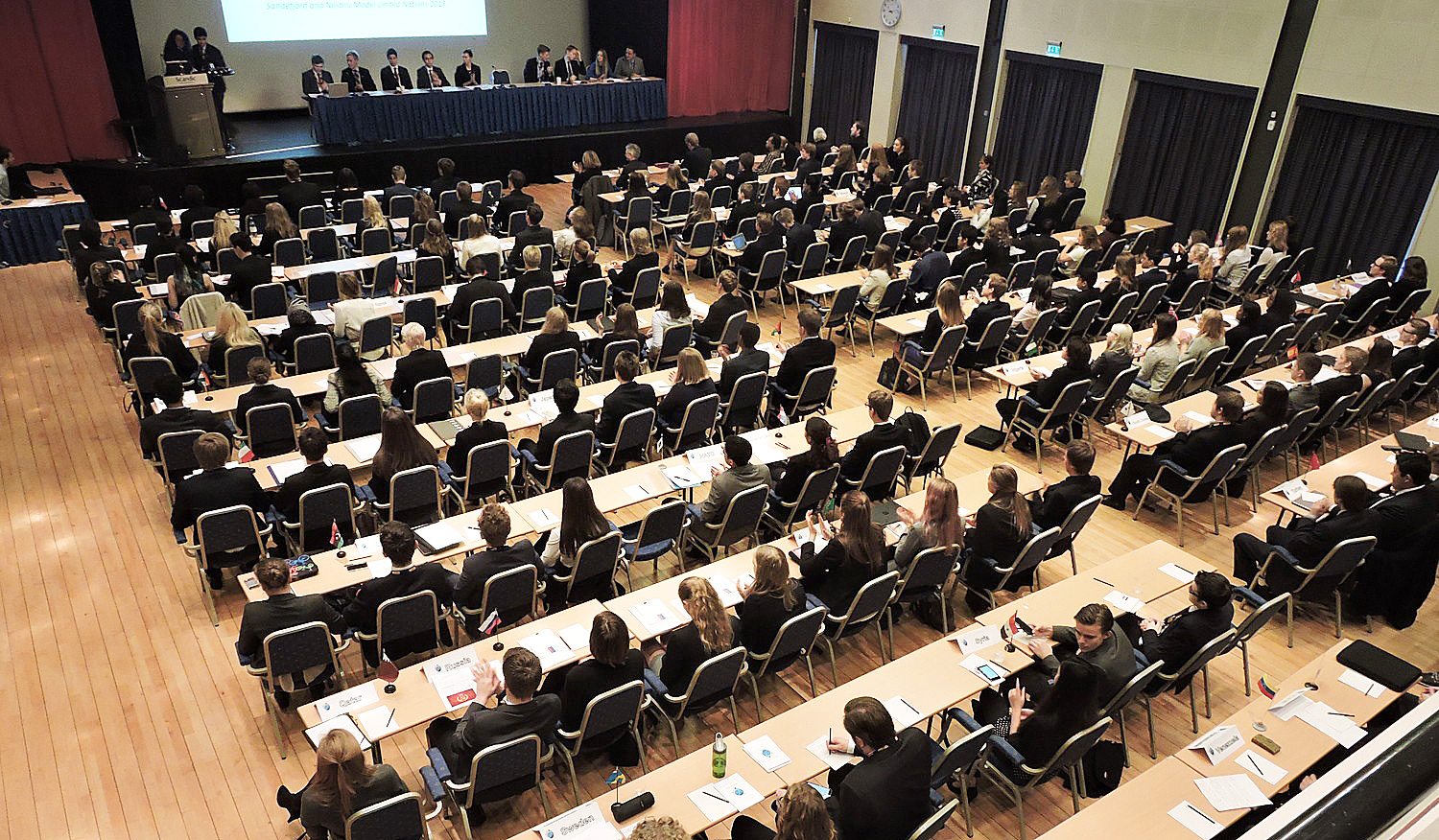
The General Assembly

The General Assembly

The highlight of the conference was the General Assembly. All delegates of all member states were gathered in one big conference room and we discussed one resolution from every committee. In the last 5 minutes of the conference, we decided that, due to the fact that the General Assembly President was not allowing us to speak – when we felt we needed to speak because the resolutions were about us – we decided to end the General Assembly by ‘declaring war’ against Israel. That created a stir!

The closing ceremony lasted an hour after this, and awards were handed out. Syria came out as a “winner”. Nimra won best delegate in her respective committee (DISEC), and I won best delegate, most provocative and most likely to become a dictator in my committee (UNHRC). The conference was closed on Sunday afternoon.

Go to Top