
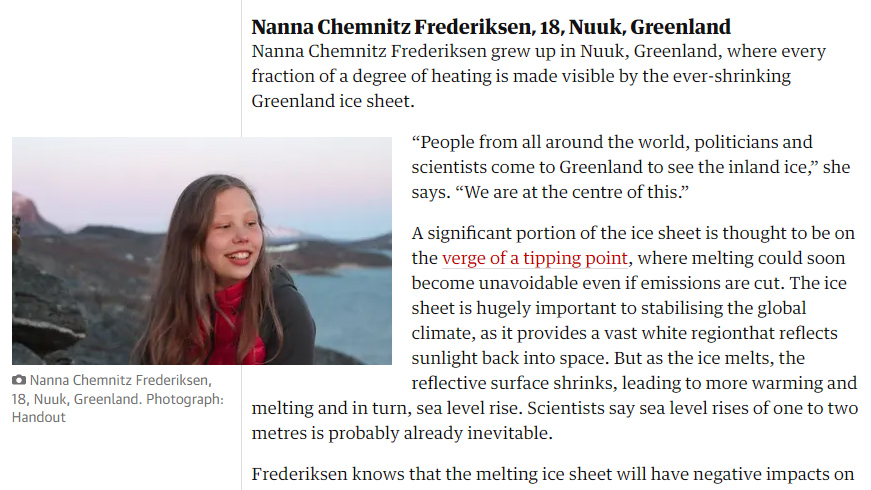
“People from all around the world, politicians and scientists come to Greenland to see the inland ice,” she says. “We are at the centre of this.”
A significant portion of the ice sheet is thought to be on the verge of a tipping point, where melting could soon become unavoidable even if emissions are cut. The ice sheet is hugely important to stabilizing the global climate, as it provides a vast white region that reflects sunlight back into space. But as the ice melts, the reflective surface shrinks, leading to more warming and melting and in turn, sea level rise. Scientists say sea level rises of one to two metres is probably already inevitable.
Frederiksen knows that the melting ice sheet will have negative impacts on communities across Greenland, especially in northern settlements such as Qaanaaq where permafrost melting is destabilizing homes and roads and impacting how fishers and hunters operate.
But her real concern lies on the impact it will have globally. “I am not so scared of what the effects of the melting of ice in Greenland will be,” Frederiksen says, “It scares me what effect it can have for the rest of the world.”
Latest News
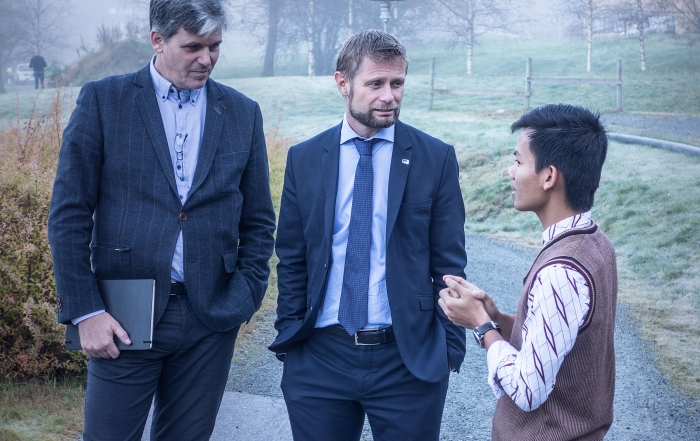
A Visit from the Minister of Health
On Thursday the Minister of Health, Bent Høie, visited our campus at Haugland with a delegation from Fjaler and Sogn og Fjordane Høyre. He showed a real interest in the operation of both the Rehabilitation Centre [...]
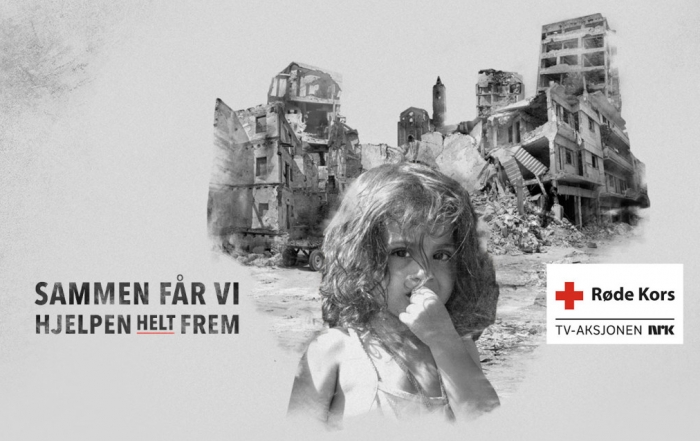
TV Aksjonen 2016 – Red Cross
On Friday 21st October, UWC Red Cross Nordic hosted a special educational focus on TV Askjonen and the Red Cross’ work towards innocent victims of war. The day was entirely organised by the students themselves, with [...]
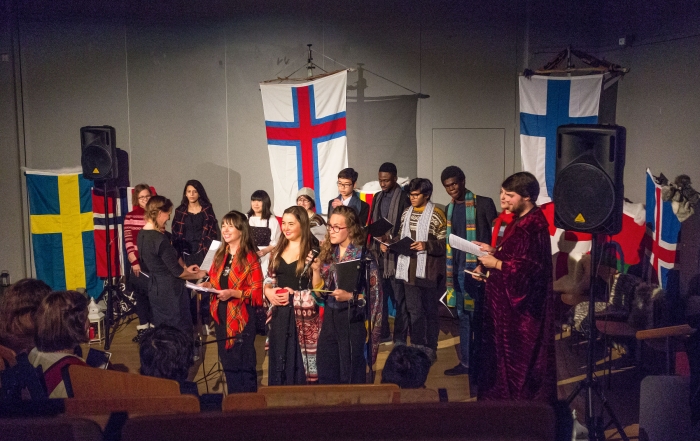
Nordic Folk Music Concert
RCN's Project Based Learning Week concluded with a Nordic Folk Music Concert in the auditorium on the evening of Saturday 15th October - an outstanding achievement to produce such a daring and inspiring programme in [...]